Beyond the Polish: The Essential Science of Caring for Vegetable-Tanned Leather
The Living Hide Beneath the Surface
Vegetable-tanned full-grain leather has a tactile identity that synthetic finishes cannot convincingly imitate. It feels substantial yet responsive, carries the grain of the original hide, and gradually develops a patina shaped by handling, sunlight, friction, and time. In a fine pair of shoes, a belt, a briefcase, or a watch strap, that evolution is part of the material”s appeal. The surface does not merely remain attractive; it records use with increasing distinction.
That is why a quick shine is an incomplete form of care. Heavy polish can make leather look impressive for an evening while doing little for the collagen structure beneath the grain. Genuine preservation is less theatrical. It means keeping the fibers flexible, allowing the hide to exchange moisture with its surroundings, and replacing lost lipids without saturating the material. Topical gloss is cosmetic. Fiber health is structural, gradual, and far more important.
The Chemistry of Vegetable Tannins and Porous Collagen
Vegetable tanning relies on polyphenolic compounds extracted from botanical materials such as oak and other bark, chestnut, and mimosa. These tannins bind with collagen, the protein framework of the hide, and stabilize its fibrils so that the material becomes durable, resistant to decomposition, and suitable for everyday use. The process is traditionally slower than chrome tanning, sometimes taking weeks rather than days, and that patience contributes to the dense, expressive character valued by leather connoisseurs.
The same structure that gives vegetable-tanned leather its depth also leaves it comparatively open to its environment. Its capillaries can accept small amounts of oil, water vapor, and conditioning emulsion, which helps explain the development of a nuanced patina. It also means that untreated or neglected leather can lose flexibility more readily. The distinction is not simply between “strong” and “weak” leather. It is a question of how the material manages moisture and lubrication.
Chrome-tanned leather is generally engineered for greater softness and resistance to water, staining, and handling. Vegetable-tanned leather tends to have a firmer temper and a more visibly changing surface, but it can be less forgiving of prolonged dampness, intense heat, or indiscriminate products. Conservation guidance from the Canadian Conservation Institute underscores the need to distinguish leather types before choosing cleaning, conditioning, or storage methods.
- Botanical tannins stabilize collagen rather than simply coating the finished leather.
- An open capillary structure supports patina but permits moisture and oils to migrate through the grain.
- Firm vegetable-tanned fiber networks reward restrained care and punish saturation, heat, and neglect.
Why Heavy Waxes and Silicone Destroy Fine Full-Grain Leather
A hard layer of paraffin, excessive carnauba, or a silicone-rich sealant can produce immediate gloss, but repeated buildup may turn the grain into a coated surface rather than a breathing one. This is especially problematic on full-grain leather, where the intact outer structure is part of the material”s value. A thick film can obscure the grain, create a synthetic feel, and interfere with the controlled absorption of a suitable conditioner.
Blocked pores also complicate moisture equilibrium. Leather is hygroscopic, meaning it responds to water vapor in the surrounding air. When the surface is sealed too aggressively, moisture and contaminants may remain trapped beneath the finish, while fresh nourishment cannot move evenly into the corium. The result can be a leather item that looks polished but feels dry at flex points, greasy at the surface, or strangely soft in areas where oils have accumulated.
| Approach | Short-term effect | Long-term concern |
|---|---|---|
| Heavy wax or silicone sealant | High gloss and temporary water beading | Surface buildup, restricted breathability, uneven absorption |
| Breathable conditioning emulsion | Subtle darkening and improved suppleness | Requires restraint and periodic reassessment |
| Dry brushing and gentle cleaning | Removes dust without changing character | Does not replace lost oils when leather is genuinely dry |
The practical rule is simple: use wax when a specific finish or degree of weather protection is required, not as a substitute for nourishment. A thin, compatible product can have a place on footwear, but repeated applications should never be allowed to become the entire maintenance strategy.
Restoring the Lipid Balance with Precision Nourishment
Leather fibers are not replenished by “moisture” in the same way as skin. Their resilience depends partly on the distribution of lubricating substances within and between the collagen bundles. As leather flexes, dries, and encounters friction, some of those lipids migrate or are removed. A well-chosen conditioner helps reduce friction between fibers, preserving suppleness without turning the hide limp.
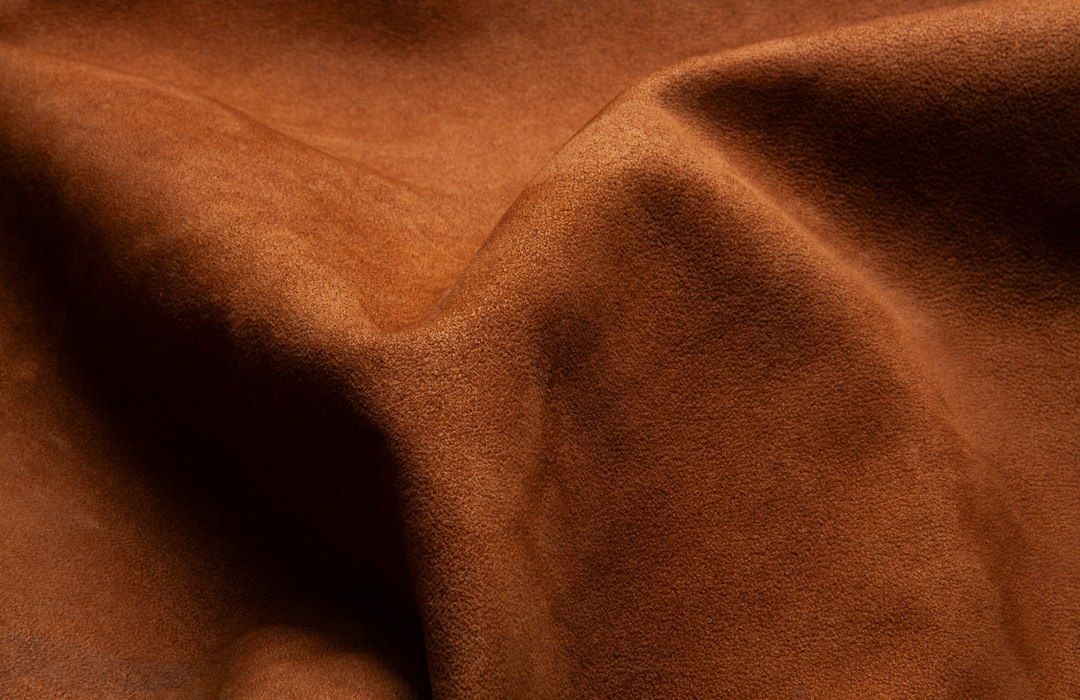
For traditional vegetable-tanned goods, a nutrient-rich emulsion or restrained balm is usually more suitable than a glossy synthetic polish. Formulas containing neat”s-foot oil or pure tallow may provide the kind of penetrative lubrication associated with traditional leather care, but product suitability matters more than fashionable ingredients. The finish, tannage, thickness, and intended use should all guide the choice. Always patch-test on an inconspicuous section, because even a compatible conditioner can darken light leather.
Apply only after dust and surface dirt have been removed. A soft cloth should carry a very small amount, worked in thinly with light, controlled movements. Allow the leather time to absorb the treatment, then remove any residue. Guidance from traditional leather specialists similarly favors gradual, reversible care over attempts to force a new appearance onto an aged hide.
- Condition only when the leather shows genuine dryness, stiffness, reduced elasticity, or fine surface cracking.
- Use less product than instinct suggests, concentrating on flex points, edges, and exposed areas.
- Allow full absorption before buffing, storing, or wearing the item.
- Stop immediately if the leather becomes greasy, unusually dark, sticky, or unnaturally soft.
Over-conditioning has recognizable warnings. A mushy temper indicates that the fiber network has lost too much structural support. A greasy film suggests that the product has exceeded the hide”s capacity to absorb it. Persistent softness, uneven darkening, and a dull, swollen appearance may indicate that oils are restricting the pores rather than protecting them. In such cases, wipe away excess, use only a leather-appropriate cleaner if necessary, and let the item rest naturally before considering any further treatment.
Managing Microclimates and Relative Humidity in the Wardrobe
Vegetable-tanned leather continually responds to the air around it. In a damp wardrobe, insufficient circulation and high relative humidity can encourage mildew, particularly when a bag or shoe is stored against another object or enclosed before it has fully dried. In an excessively dry environment, the opposite problem develops: the hide loses water vapor and may become brittle, with fine micro-cracking appearing first at folds, edges, and frequently flexed panels.
Moderation is the objective. Store leather in a breathable cotton bag rather than sealed plastic, keep it away from radiators and strong sunlight, and give it enough space for air to circulate. Tissue paper can support the shape of a bag or shoe without creating the pressure and abrasion associated with dense packing. Periodic inspection matters more than a rigid calendar because climate, use, and leather thickness all vary.
Wet leather should never be rescued with a hairdryer, radiator, heated boot cabinet, or direct afternoon sun. Rapid evaporation can draw oils away from the fibers and cause uneven contraction, stiffness, warping, or cracking. Even preservation guidance outside leather care illustrates why drying intensity must be treated carefully; the National Center for Home Food Preservation discusses controlled dehydration for food, a process that should not be confused with exposing leather to intense convective heat.
- Blot rain or spilled liquid with a clean, absorbent cloth, pressing gently rather than rubbing.
- Reshape the item while it is damp, then place it in a cool, ventilated room away from radiant heat and direct sunlight.
- Allow the leather to dry completely before applying any conditioner, often for a full day or longer depending on thickness.
- Inspect for stiffness, water marks, mildew, or distortion, and seek professional restoration when cracking or structural warping is significant.
A stable wardrobe microclimate is more valuable than constant product application. In humid homes, improve airflow and consider dehumidification where persistent dampness is evident. In very dry interiors, avoid placing leather directly beside heat sources and inspect vulnerable areas more frequently. The goal is not to immobilize the hide, but to prevent violent swings in its environment.
Mastering the Art of Lifelong Patina and Preservation
Leather care is best understood as stewardship of organic craftsmanship, not cosmetic repair. The finest vegetable-tanned hide should not be forced back into an artificial state after every mark. Small scratches, tonal shifts, and darkened handling points often become part of the object”s identity. Preservation means keeping those changes graceful while preventing avoidable structural damage.
Establish a seasonal rhythm of inspection, gentle dusting, restrained cleansing, and lipid replenishment only when the leather calls for it. Keep products compatible with the tannage, test before committing, and treat water, heat, wax, and oil with equal respect. With that disciplined approach, patina becomes more than evidence of age. It becomes the visible record of a material that has been used well, maintained intelligently, and allowed to become more distinctive with every passing year.