
Woolen vs. Worsted: The Evolution of Flannel from Rugged Utility to Savile Row Staple
The Enduring Allure of Brushed Wool
Flannel is frequently mistaken for a pattern, usually a checked shirt, or reduced to a synonym for casual workwear. In fact, flannel describes a textile finish and handling, not a particular motif. A plain grey trouser, a chalk-striped suit, and a rugged overshirt may all be flannel if the cloth has been milled and brushed to create its characteristic soft, slightly raised surface.
That surface is the source of flannel”s enduring appeal. It has enough texture to suggest utility and weather resistance, yet enough refinement to sit comfortably beneath a tailored jacket. Few fabrics move so naturally between a country wardrobe and a city one. A well-chosen flannel can make a suit feel less severe, give odd trousers greater authority, and introduce warmth without visual heaviness. For a broader historical introduction, Wikipedia”s history of flannel traces how the material developed from practical rural clothing into a fabric with a much wider cultural reach.
The central distinction is between woolen and worsted flannel. Woolen flannel offers a rustic, lofty hand, pronounced warmth, and a softly mottled appearance. Worsted flannel begins with longer, more orderly fibers, producing a cleaner surface, sharper crease recovery, and more fluid drape after brushing. Understanding that difference allows you to choose intelligently, whether the goal is a winter trouser, a versatile business suit, or a softly structured jacket. Cloth weight, weave, finish, and silhouette should work together rather than being selected in isolation.
From Welsh Moorlands to Industrial Utility
Flannel”s roots are commonly associated with Wales in the sixteenth and seventeenth centuries, where cloth known as “gwlanen” was made from wool prepared through carding. Carding separates and distributes fibers into a relatively random web, a process suited to shorter staples that cannot easily be aligned into the smooth, parallel formation associated with worsted yarns. The resulting material was warm, resilient, and particularly well adapted to a damp climate.
Fulling and milling further transformed the cloth. Moisture, pressure, friction, and controlled agitation caused the fibers to interlock, compacting the structure and helping the fabric resist wind and light weather. Brushing then raised a nap on the surface, trapping still air and giving the cloth its familiar softness. These processes were not merely decorative. They created a protective textile for people working outdoors, travelling through wet landscapes, or relying on a small number of durable garments.
Early flannel belonged to the practical wardrobe of rural workers, later appearing in work trousers, military undergarments, and regional dress. Welsh clothing traditions also included striped flannel petticoats and other woollen garments, although the recognizable image of Welsh national dress was largely shaped during the nineteenth-century revival of Welsh culture. As industrial mills expanded production, flannel moved beyond local use and became associated with soldiers, labourers, railway workers, loggers, and outdoor pursuits. Its reputation was built on performance before it was adopted for elegance.
The industrial story also explains why heritage matters today. Wales once supported a substantial woollen industry, while only a small number of mills now continue traditional production. The Britannica entry on flannel provides useful background on the fabric”s classification and historical development, but the essential lesson remains simple: flannel became important because its finishing methods made wool more useful in demanding conditions. Its later appearance on tailored trousers did not erase that heritage; it refined it.
Deconstructing Woolen versus Worsted Flannel
The difference between woolen and worsted flannel begins before weaving. Woolen yarns use shorter fibers that are carded into a loose, irregular arrangement. The yarn becomes more open and lofty, allowing it to hold air and create a fuller surface. Once woven, fulled, and brushed, woolen flannel develops the spongy hand and visible depth associated with classic grey trousers. The surface may appear subtly cloudy or mottled because the fibers are not aligned in a perfectly uniform direction.
Worsted flannel uses longer fibers, often from finer wools, which are combed so that they lie more parallel to one another. The yarn is compact and comparatively smooth before finishing. Brushing softens that foundation without removing its underlying discipline. In a good worsted flannel, the diagonal lines of the twill may remain faintly visible beneath the nap, whereas woolen flannel tends to present a less regular, more textured face.
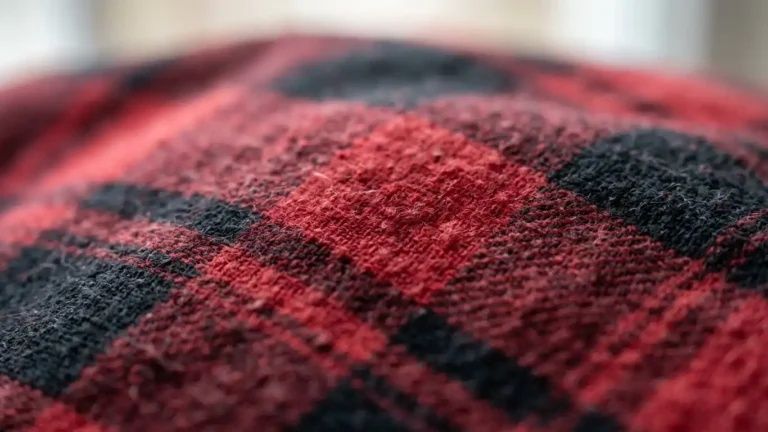
Neither construction is inherently superior. Woolen flannel generally provides greater thermal retention, a softer touch, and a more relaxed drape. It is especially persuasive for winter trousers, casual jackets, and separates intended to feel comfortable rather than formal. Worsted flannel tends to offer better crease recovery, a cleaner line, and greater resistance to the visual collapse that can affect loosely built cloth. It is therefore well suited to professional tailoring and suits that must move between office, travel, and evening settings.
| Attribute | Woolen flannel | Worsted flannel |
|---|---|---|
| Fiber preparation | Shorter fibers, carded into a random web | Longer fibers, combed and aligned |
| Surface | Lofty, fuzzy, softly mottled | Cleaner, denser, gently brushed |
| Warmth | High, because of the open and lofty structure | Moderate to high, depending on weight and finish |
| Drape | Soft, substantial, and relaxed | Fluid but more controlled and structured |
| Crease recovery | Moderate | Generally stronger |
| Best use | Winter separates, casual tailoring, substantial trousers | Business suits, polished separates, lighter tailoring |
Weight remains important. A heavy woolen cloth may feel exceptionally luxurious in cold weather, but it can overwhelm a narrow silhouette or become uncomfortable indoors. A lighter worsted flannel can provide texture without excessive insulation, though it may not deliver the same depth or resilience as a heavier cloth. Look at the fiber preparation and finish first, then judge the weight in relation to climate, movement, and the intended garment.
The Mid-Century Sartorial Revolution
During the twentieth century, flannel moved decisively from protective utility into the language of educated, well-appointed dress. It appeared in sporting clothing, cricket whites, collegiate wardrobes, and the tailored separates that defined a relaxed but disciplined version of English and American style. Its softness made formal clothing more comfortable, while its brushed surface prevented a suit from appearing excessively glossy or corporate.
English mills and Savile Row tailors were particularly influential in establishing flannel as a cloth of authority. Grey flannel trousers became an essential foundation for odd-jacket dressing, while chalk stripes and double-breasted suits demonstrated that the fabric could support strong tailoring. The texture softened the severity of stripes and gave broad shoulders, generous lapels, and high-waisted trousers a grounded, substantial character.
The mid-century grey flannel suit became cultural shorthand for professional confidence. Cinema, advertising, and collegiate imagery helped establish it as an emblem of order and ambition, even as later generations reinterpreted it through more relaxed silhouettes. The cloth”s appeal endured because it was never purely decorative. It communicated seriousness, but its nap and comfort prevented that seriousness from becoming cold.
- Woolen flannel trousers supplied softness, warmth, and an easy visual connection to country tailoring.
- Worsted flannel jackets and suits offered cleaner lines for business and formal settings.
- Chalk stripes used flannel”s texture to temper the force of a bold pattern.
- Grey separates created a foundation for tweed, navy blazers, knitwear, and polished leather shoes.
Modern cloth makers continue to revisit these ideas rather than treating flannel as a museum piece. Contemporary chalk-striped flannels, for example, draw on archival tailoring while being designed for current proportions and styling. The result is not costume. It is a continuation of a durable visual language in which texture, structure, and restraint work together.
Building a Modular Flannel Wardrobe Today
For a first investment, midweight worsted flannel is often the most adaptable choice for a suit. It has enough surface interest to distinguish itself from ordinary smooth worsted wool, while retaining a professional line and respectable crease recovery. A medium grey or charcoal suit can serve in the office, at dinners, and in formal daytime settings, particularly when the cut is clean and the trousers are properly pressed.
Heavy woolen flannel has a different role. It is at its best in winter separates, where its softness and insulation become advantages rather than inconveniences. Charcoal and mid-grey trousers are especially versatile. They work with navy blazers, brown tweed, textured overshirts, Shetland or merino knitwear, and even a restrained leather jacket. The combination is practical, but it also carries the quiet authority of established tailoring.
When selecting cloth, consider the following sequence:
- Choose the garment first. A suit, odd trouser, sport coat, and overshirt each demand a different balance of structure and comfort.
- Match weight to climate and routine. Cloth around 9 ounces may suit a lighter worsted flannel intended for extended seasonal use, while 12 to 14 ounces is more convincing for substantial winter woolens.
- Assess the surface in natural light. Look for an even nap, rich colour, and a texture that feels soft rather than artificially fuzzy.
- Study the drape. Hold the cloth vertically and observe whether it falls fluidly, springs back, or hangs with excessive stiffness.
- Plan the wardrobe around combinations. A grey trouser should cooperate with existing jackets and shoes, not become an isolated statement piece.
Maintenance is where good flannel earns its longevity. Allow trousers and jackets to rest between wears so that the nap can recover and body moisture can evaporate. Use a clothes brush with gentle strokes, following the direction of the surface rather than attacking it aggressively. Avoid unnecessary dry cleaning, since repeated chemical treatment and pressing can accelerate wear.
Pressing should be controlled. Excessive pressure can flatten the nap and create unwanted shine, especially on the seat, knees, and trouser hems. Use a pressing cloth, moderate heat, and steam sparingly, or entrust valuable tailoring to a specialist who understands brushed wool. Hang garments on shaped wooden hangers, empty pockets after wear, and store them in breathable garment bags away from direct sunlight. For seasonal storage, clean the garment before packing it and ensure the storage area is dry and well ventilated.
Surface wear is the principal limitation of many woolen flannels. Frequent rotation is therefore not an indulgence but sound wardrobe management. A small collection of trousers worn in sequence will age more gracefully than one pair used every other day. Worsted flannel may tolerate more demanding rotation, but it still benefits from rest, careful brushing, and protection from abrasive chair edges, rough bags, and poorly finished belts.
Mastering the Soft Texture of Modern Flannel
Flannel remains compelling because it joins tactile warmth to tailored clarity. It can make a formal suit more humane, give a simple trouser greater depth, and soften the transition between rugged outerwear and refined city clothing. Its strongest qualities are not tied to a particular decade or pattern. They come from the relationship between fiber, finishing, weight, and cut.
Choose worsted flannel when crisp drape, controlled structure, and professional versatility matter most. Choose woolen flannel when warmth, softness, and a more relaxed visual character deserve priority. Then invest in thoughtful fit, disciplined maintenance, and a wardrobe that allows each garment to rest and combine intelligently. Properly chosen, flannel does not chase novelty. It becomes better integrated with time, carrying the quiet confidence of clothing made to be worn for decades.